

How To Create A Weekly Planner
Getty Images
1 of 11
Back to School
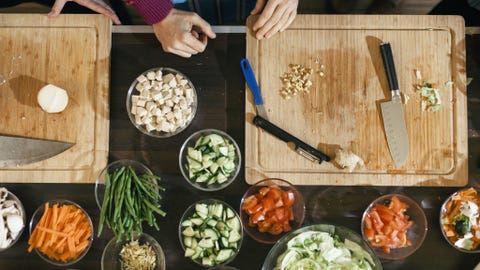
On Sundays, I recruit my whole family—or whoever is around—to help with food prep. Just a couple of hours of work leaves us with healthy, homemade meals to dig into all week long. Plus, meal planning is about being prepared and in control, so when my weekdays get chaotic I'm not forced to rely on all-too-easy options, like the vending machine or the drive-through. And research shows that this strategy offers a nice bonus: People who plan their meals and track what they eat have more success with weight loss than dieters who don't employ these methods. My tricks will save precious time and keep you well-fed all week.
Getty Images
2 of 11
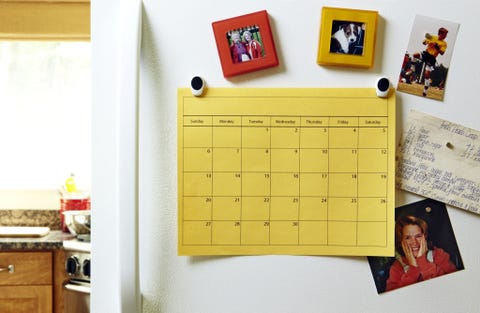
On Saturday... Review your calendar to see how many meals you'll make this week
Ease into it If you want to gradually work your way into meal planning, focus on just one meal—say, dinner—and plan a full week's worth of menus. Or, select three days during the week (say, Monday, Wednesday and Friday) and map out all breakfasts, lunches, dinners and snacks.

Getty Images
3 of 11
On Saturday... Select recipes based on your schedule
Create dinner themes Go for Meatless Monday, Taco Tuesday or Wok Wednesday. This way, the cuisine is already chosen and you simply vary the meal and ingredients. So for Wok Wednesday, you can choose shrimp, chicken or tofu as a lean protein for your stir-fry, then toss in whatever veggies you have on hand.
Getty Images
4 of 11
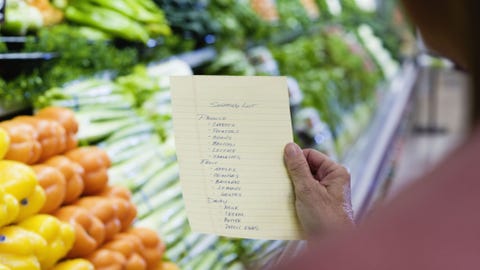
On Saturday... Create a grocery list and jot down your plan
Prioritize perishables Pencil in meals that contain quick-to-rot veggies (such as leafy greens) for earlier in the week, leaving meals with longer-lasting ingredients (root vegetables, peppers or eggs) for later in the week.

Getty Images
5 of 11
On Sunday... Chop produce
Focus on veggies that last Onions, carrots, potatoes, broccoli, peppers, zucchini and squash keep well. Once cut, stash them properly: each type of veggie in a sealed plastic bag with a damp paper towel or, for vegetables like potatoes, in a container filled with cold water, covered loosely and placed in the fridge.
Getty Images
6 of 11
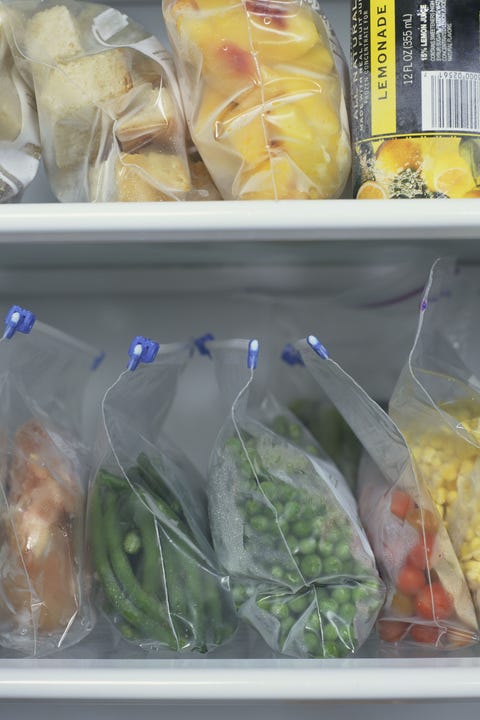
On Sunday... Portion out protein
Store strategically Aim for about 6 ounces of protein (like chicken, turkey, pork or fish) per person per meal. For a family of four, you'd need 24 ounces, or about 1½ pounds. If you'll be using your ingredients within two to three days, refrigerate. Beyond that, put the raw protein in the freezer—labeled and dated.

Getty Images
7 of 11
On Sunday... Prep pasta
Precook the right amount by doing a little math A serving of pasta is about 1 cup cooked (or 2 oz dry uncooked) pasta. Think about how many people you're cooking for and how many meals involve pasta. So, if you were making two pasta dishes for a family of four, you'd need 16 oz (1 lb) uncooked pasta to make 8 cups cooked. Eat the precooked pasta earlier in the week so it doesn't get slimy in the fridge.
Getty Images
8 of 11
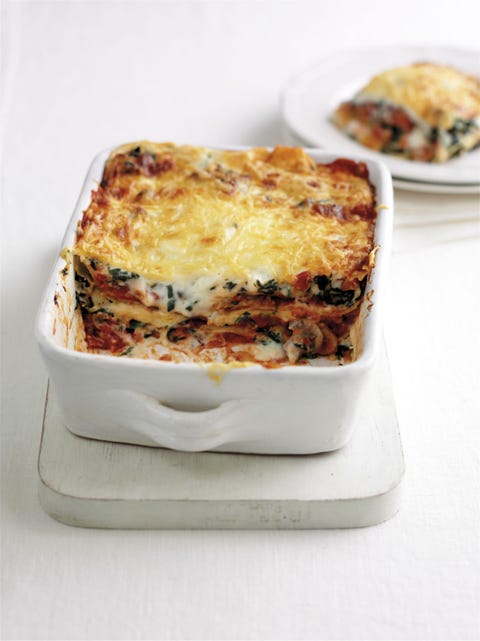
On Sunday... Whip up at least one full recipe
Go for freezer-friendly Select one freezable meal, like chili, lasagna or stew, and double or triple the recipe. Portion out into single-serving containers, label and freeze.

Getty Images
9 of 11
On Sunday... Save leftover ingredients
Create frozen flavor cubes Use ice cube trays to freeze individual cubes of leftover ingredients, including broth or stock. Once the cubes are frozen, transfer them to a freezer-safe ziptop bag and make sure to label it. Then, the next time you need a small amount of broth for a recipe, like sauce, pull out a few cubes and melt them into the pan. You can also use this method with leftover fresh herbs. Chop up any extras—keep individual herbs separate or make blends that work well together, like parsley and dill or thyme and sage—then pack the chopped herbs into ice cube trays and top with just enough water (or olive oil) to cover. Freeze until solid, and you'll have fresh herbs ready to use in soups, stews, pasta sauces or dips.

Getty Images
10 of 11
During the week... Stock up on staples
You can whip up healthy meals if you keep your pantry, fridge and freezer stocked with these versatile must-haves:
•Low-sodium canned soups (vegetable, lentil, bean, minestrone, etc.)
•Whole-grain pasta
•Jarred marinara sauce
•Canned beans
•Lentils
•Low-sodium broth
•Canned salmon
•Nut butters
•Whole-grain bread
•Whole-grain cereal
•Reduced-fat cheese
•Ground turkey

Getty Images
11 of 11
During the week... Restaurants count too!
Menu planning doesn't have to be limited to home-cooked meals—nowadays, you can request healthy food at just about any restaurant. The key is thinking about where you'll go and what you'll order beforehand so you don't make a rushed decision.
How To Create A Weekly Planner
Source: https://www.womansday.com/food-recipes/cooking-tips/g2601/meal-planning/
Posted by: jordanwhass1990.blogspot.com
0 Response to "How To Create A Weekly Planner"
Post a Comment